Microvibration Therapy

Lucas Schneider
| 14-02-2026
 · Fashion team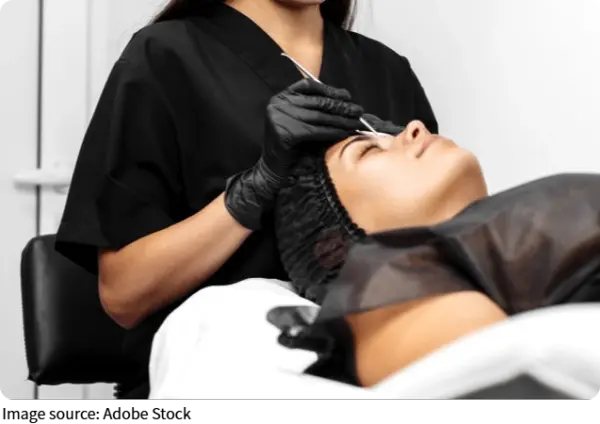
There's something uniquely satisfying about feeling your skin come alive with gentle, rhythmic pulses.
Microvibration therapy isn't just a trendy spa treatment—it's a way to energize skin, support circulation, and enhance the overall complexion without invasive procedures.
Experiencing this therapy in a modern clinic shows how subtle technology can create visible changes over time.
What Microvibration Therapy Is
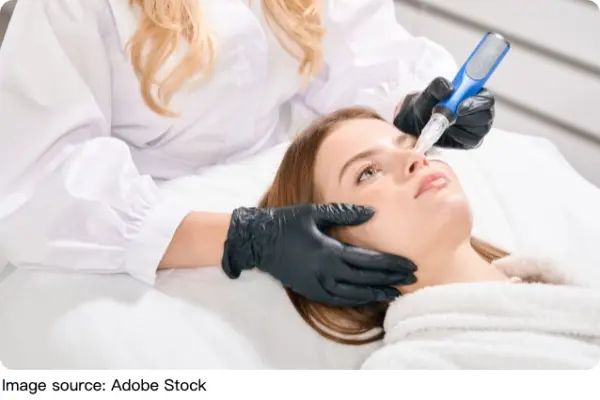
Microvibration therapy uses a device that emits tiny, controlled vibrations across the skin's surface. These vibrations stimulate blood flow and encourage lymphatic drainage, helping the skin look healthier and feel more supple.
Circulation boost: The vibrations increase blood flow, which delivers oxygen and nutrients to the skin cells.
Lymphatic support: Gentle pulsing helps the body remove toxins and reduce puffiness.
Collagen stimulation: Over time, repeated treatments can encourage collagen production for firmer skin.
For example, a client receiving a 20-minute session on her cheeks and jawline may notice a soft glow immediately afterward as circulation improves.
How It Enhances Skin Texture
Microvibration therapy can smooth rough patches and make skin feel more even. The gentle motion helps exfoliate at a micro-level and encourages skin cell turnover without irritation.
Softening fine lines: Regular sessions can reduce the appearance of minor wrinkles.
Improving tone: Skin may appear more uniform and radiant.
Hydration support: The therapy can improve absorption of creams and serums applied afterward.
A practical tip: after a microvibration session, applying a lightweight moisturizer or hydrating serum can maximize results because the skin is more receptive.
Relaxation and Stress Relief
The gentle, rhythmic pulses don't just benefit the skin—they offer a calming sensory experience. Many people notice a soothing effect similar to a massage.
Face tension release: Vibrations relax the muscles, easing jaw or forehead tension.
Mental relaxation: The gentle hum of the device combined with clinic ambiance can help reduce stress.
Enhanced sleep potential: Some clients report a subtle sense of calm that carries into their evening routine.
For instance, a client who regularly clenches her jaw may find microvibration therapy reduces morning tension headaches and leaves her face feeling softer.
Integrating Microvibration into Your Routine
Consistency is key for noticeable benefits. Most clinics recommend weekly sessions initially, then adjusting frequency based on skin goals.
Short sessions: Even 10–15 minutes per treatment area can be effective.
Combination with skincare: Apply serums after therapy to enhance absorption.
Maintenance schedule: After initial improvement, bi-weekly sessions often maintain results.
For example, a client targeting jawline firmness may start with two sessions per week for a month, then reduce to one session every two weeks to sustain improvements.
Safety and Comfort Considerations
Microvibration therapy is generally safe for most skin types, but it's important to consult with trained professionals.
Device settings: Clinics adjust intensity based on sensitivity and area treated.
Avoiding irritation: The gentle nature of microvibration reduces risk compared to more aggressive mechanical treatments.
Monitoring results: Observing skin reactions after each session ensures optimal benefits without overuse.
A tip: always communicate with the therapist about comfort levels—if the vibration feels too intense, adjustments can be made instantly.
Microvibration therapy offers a non-invasive, relaxing way to energize the skin, enhance tone, and support long-term health. By understanding its functions, integrating it thoughtfully into skincare routines, and maintaining consistency, you can enjoy both immediate radiance and cumulative benefits. Feeling your skin respond to each gentle pulse is a small but satisfying reminder of how technology and self-care can intersect for visible results.