Perfect Lip Shades

Elena Rossi
| 23-03-2026
 · Fashion team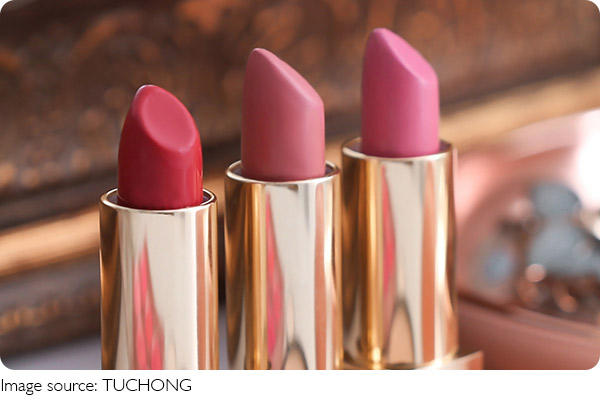
Choosing the right lipstick begins with recognizing your skin tone. Skin tones generally fall into three categories: cool, warm, and neutral.
Cool undertones tend to have pink or bluish hues, warm undertones appear yellow or golden, and neutral undertones fall somewhere in between.
Identifying your tone ensures your lip color complements your natural complexion rather than clashes with it.
Top Lip Shades for Cool Skin Tones
Individuals with cool undertones shine in colors that have blue or purple bases.
1. Berry Shades: Deep raspberry or cranberry shades enhance natural pink undertones.
2. Classic Red: True reds with a hint of blue create a striking contrast.
3. Soft Pink: Pale pink or mauve shades deliver a subtle, everyday look.
These shades help brighten the face and harmonize with cooler undertones, making the complexion appear balanced and vibrant.
Best Lip Colors for Warm Skin Tones
Warm undertones pair beautifully with shades that lean toward orange, coral, or golden red.
1. Coral Tones: Bright corals or peachy pinks enhance golden undertones.
2. Orange-Red: Vibrant reds with warm hints make lips pop naturally.
3. Brownish Nudes: Terracotta or caramel shades provide an understated elegance.
These colors complement warm undertones, giving a radiant, sun-kissed effect without overwhelming the natural skin color.
Neutral Skin Tone Lipstick Options
Neutral skin tones are versatile, allowing experimentation across both cool and warm shades.
1. Balanced Reds: True reds without strong blue or orange undertones suit most neutral skin.
2. Pink-Neutrals: Shades like soft rose or dusty pink deliver effortless daily wear.
3. Mauve and Plum: These shades add sophistication while staying flattering.
People with neutral undertones enjoy the flexibility to match lipstick colors to mood, season, or outfit without clashing.
Tips for Perfect Lipstick Application
Even the right shade can look uneven if applied incorrectly.
1. Prep Lips: Exfoliate gently and apply a thin layer of balm.
2. Outline Lips: Use a matching liner for clean edges and to prevent feathering.
3. Layer Gradually: Apply lipstick in light layers, blotting in between, for long-lasting color.
These steps ensure the lipstick complements your complexion and maintains a polished appearance throughout the day.
Conclusion
Selecting the ideal lipstick shade is more than following trends—it is about enhancing your natural beauty. By understanding your skin tone and experimenting with recommended shades, you can highlight your features and express confidence through color. Lipstick, when chosen thoughtfully, is a tool that transforms not just your look but your mood, giving every day a touch of elegance and self-expression.