The Right Moisturizer

Malcolm
| 28-05-2026
 · Fashion team
Watching someone apply a face cream and immediately notice a difference in softness, you may wonder what makes certain moisturizers work so effectively.
The secret often lies in the ingredients rather than the brand or price. Understanding which components deliver hydration can help you select a cream that truly nourishes your skin.
Humectants: Drawing Moisture In
Humectants are ingredients that attract water from the environment and deeper skin layers, helping to keep the surface hydrated. Common examples include glycerin, hyaluronic acid, and urea. Hyaluronic acid, for instance, can hold up to 1,000 times its weight in water, creating a plumping effect and reducing dryness. When evaluating a moisturizer, check for humectants near the top of the ingredient list, as this usually indicates a higher concentration and stronger hydration effect.
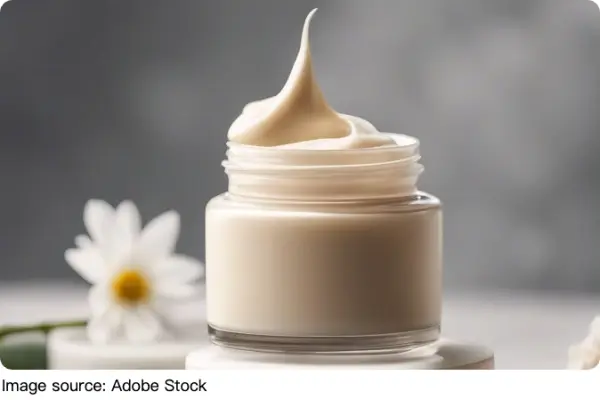
Emollients: Smoothing and Softening
Emollients are ingredients that fill gaps between skin cells, creating a smooth, soft surface. Examples include plant oils, squalane, and shea butter. These compounds are especially beneficial for dry or rough skin, helping to restore texture and flexibility. Unlike humectants, which bring water to the skin, emollients create a protective layer that reduces moisture loss and enhances overall skin comfort. Selecting a cream with high-quality emollients ensures immediate softness and long-lasting smoothness.
Occlusives: Locking in Hydration
Occlusives form a barrier over the skin to prevent water evaporation. Ingredients like petrolatum, beeswax, and dimethicone are effective occlusives. They are particularly important for very dry or sensitive skin, as they preserve the hydration provided by humectants and emollients. A well-formulated moisturizer often combines all three types of ingredients: humectants to attract water, emollients to smooth, and occlusives to seal in moisture. This synergy maximizes hydration and maintains skin health over time.
Soothing and Strengthening Additions
Many modern moisturizers include additional ingredients that calm irritation or strengthen the skin barrier. Niacinamide, ceramides, and panthenol help repair the skin's natural defenses while reducing redness or sensitivity. Antioxidants such as vitamin E or green tea extract protect against environmental stressors and support long-term skin health. These components enhance the overall effectiveness of a moisturizer beyond basic hydration, contributing to resilience and a healthy appearance.
Matching Ingredients to Skin Type
1. Oily or combination skin – Lightweight creams with hyaluronic acid and squalane offer hydration without heaviness.
2. Dry or sensitive skin – Richer formulations with shea butter, petrolatum, and ceramides provide deep, long-lasting moisture.
3. Normal skin – Balanced formulations that combine humectants and emollients maintain hydration and texture without causing greasiness.
4. Mature skin – Look for creams with antioxidants, peptides, and hyaluronic acid to hydrate while supporting elasticity and reducing the appearance of fine lines.
Understanding your skin's needs helps prioritize which ingredients matter most. Reading labels carefully allows you to choose a moisturizer that delivers measurable benefits rather than relying on marketing claims.
Practical Tips for Daily Use
Apply moisturizer immediately after cleansing or bathing, when skin is slightly damp, to maximize water retention. Using a gentle upward motion helps absorption, while avoiding harsh rubbing preserves skin integrity. Layering with serums or targeted treatments can complement hydration and address specific concerns, such as sensitivity or uneven texture. Consistency is key—daily use of a well-formulated moisturizer maintains skin health and prevents dryness over time.
Selecting a moisturizer is more than picking a jar off the shelf; it's about understanding ingredients and how they interact with your skin. By focusing on humectants, emollients, occlusives, and supportive additives, you can choose a cream that hydrates effectively, protects the skin barrier, and enhances texture. With informed choices and consistent use, moisturizing becomes a meaningful step in maintaining healthy, resilient, and comfortable skin every day.