Lipstick Shade
Ethan Sullivan
| 10-04-2026
 · Fashion team
You are standing in front of a display wall of lipsticks — forty shades of red alone — and somehow every one you swatch on your hand looks completely different once it is on your lips.
You leave with something that seemed perfect under the store lighting and looks faintly orange in every photo afterward. It has happened to nearly everyone at least once.
Choosing a lipstick shade is not about luck or instinct. It comes down to understanding two things: your skin's undertone and the occasion you are dressing for. Once those two variables are clear, the wall of options becomes much easier to navigate.
Understanding Your Undertone First
Before shade, undertone. This is the single most useful piece of information you can have when selecting any lip color.
Undertones fall into three broad categories: warm, cool, and neutral. A quick way to identify yours is to look at the veins on the inside of your wrist in natural daylight. Veins that appear greenish suggest a warm undertone. Veins that read more blue or purple indicate a cool undertone. If you see both and cannot decide, you likely fall into the neutral category.
Another reliable test: which metal flatters you more? If gold jewelry makes your complexion look alive and radiant, your undertone is probably warm. If silver feels more natural and brightening against your skin, cool undertones are likely at play.
This matters for lipstick because the pigments in lip products carry their own undertones. A red with orange or yellow in it will harmonize with warm skin. A red with blue or berry in it suits cool skin. Getting this pairing wrong is usually what creates that off, slightly muddy effect that is hard to name but impossible to ignore.
Matching Shade to Skin Depth
Once you know your undertone, the next layer is your skin's depth — how light or deep your natural complexion sits on the spectrum.
1. Fair skin tends to be overwhelmed by very dark or heavily pigmented shades. Nudes in the pink-beige range, soft roses, and sheer corals typically work well. A classic true red with cool undertones can also be striking without overpowering.
2. Medium skin has the widest range of flattering options. Warm terracottas, dusty mauves, berry tones, and most reds read beautifully. This depth is also where a well-chosen brick red or cinnamon shade can look particularly rich.
3. Deep skin is complemented by bold, saturated pigments. Deep plums, warm browns, vivid reds, and rich berries show up with clarity and depth. Shades that are too light or too sheer can look ashy against deeper complexions, so a formula with strong pigment payoff matters here.
Finish Changes Everything
The same shade in two different finishes can produce almost opposite effects, so this is worth thinking through before you commit.
1. Matte finishes create a flat, defined look that photographs well and tends to feel more formal or editorial. They can also make lips appear slightly smaller and require well-moisturized lips to avoid settling into fine lines.
2. Satin and cream finishes offer a middle ground — comfortable to wear, with a slight sheen that gives the lips dimension without being glossy. These are reliable for everyday wear across most skin tones and ages.
3. Gloss and sheer finishes reflect light and make lips appear fuller. They are more forgiving in terms of shade precision, which makes them a lower-stakes option when trying a new color for the first time.
Using the Occasion as Your Guide
Context shapes the right choice as much as complexion does.
A brunch or casual daytime setting calls for something approachable — a tinted balm, a soft natural, or a washed-out berry. An evening event or a formal occasion opens the door to deeper, bolder pigments that feel intentional and polished. For workplaces with a more conservative dress code, a neutral that is one or two shades deeper than your natural lip color reads as put-together without drawing too much attention.
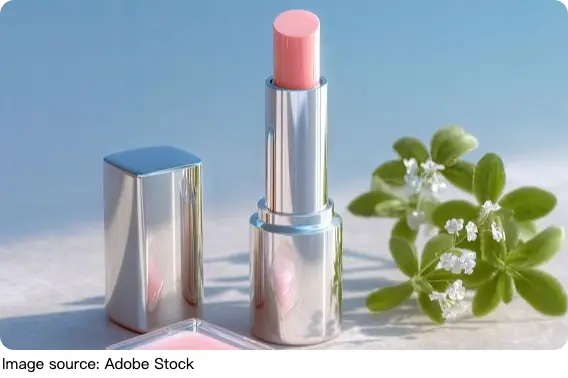
The perfect lipstick shade is not the one that looks best in the tube or best on someone else. It is the one that makes you feel like a sharper, more deliberate version of yourself the moment you look in the mirror. Start with your undertone, adjust for depth, and let the occasion do the rest.