Master Your Lip Shade

Simone
| 26-05-2026
 · Fashion team
We have all been there—standing in front of a dazzling display of hundreds of tubes, swiping dozens of shades onto the back of our hands until our skin looks like a rainbow.
Yet, so often, the "perfect" color in the shop looks completely different once you actually apply it to your lips.
Choosing the right lipstick isn't just about picking a color you like; it's a science of light, contrast, and chemistry. When you find that signature shade that aligns with your natural coloring, it doesn't just paint your lips—it brightens your eyes, balances your skin tone, and acts as an instant boost of confidence.
Unlock Your Secret Undertone
The most critical step in your search has nothing to do with the lipstick itself, but with the "temperature" of your skin. Your surface color might change with the seasons, but your undertone is permanent.
To find yours, look at the veins on your wrist in natural light. If they appear blue or purple, you likely have cool undertones. If they look green, you have warm undertones. If you can't quite tell, you are probably neutral.
Matching Shades to Your Tone:
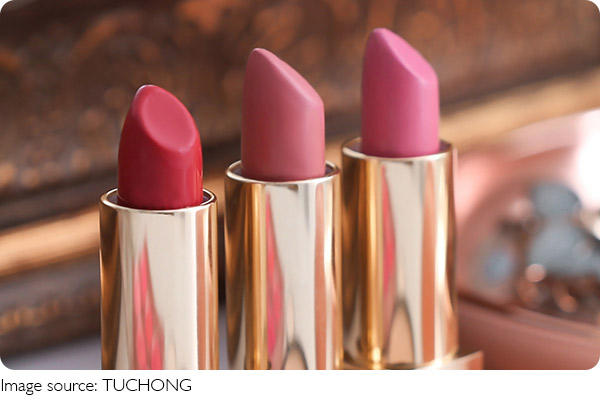
1. Cool Undertones: Look for "blue-based" shades. Think of deep berries, cool plums, and cherry reds. These shades make your teeth look whiter and harmonize with the pink hints in your skin.
2. Warm Undertones: Reach for "yellow-based" or "fiery" hues. Terracotta, brick red, peachy nudes, and warm corals will make your complexion look sun-kissed and vibrant.
3. Neutral Undertones: You are the lucky ones! Almost any color works, but classic "mauve" or "true red" (balanced between blue and yellow) will look particularly sophisticated.
Depth and Contrast
Once you know your temperature, consider the "depth" of your skin tone. A shade that looks like a subtle neutral on a deep complexion might look like a dark brown on someone very fair.
For fair skin, soft pinks and sandy nudes provide a delicate, elegant look. If you want a bold moment, a bright "true red" provides a stunning contrast. Medium skin tones can carry richer pigments like rose, mauve, and vibrant berry shades with ease. For deep skin tones, don't be afraid of high-intensity pigments. Dark chocolates, deep raisins, and vivid violets look incredible and bring a natural luminosity to the face that lighter shades often wash out.
Texture Changes the Message
The finish of the lipstick is just as important as the pigment. The texture determines how the light hits your lips and how the color wears throughout the day.
Choosing the Right Finish:
1. Matte: Highly pigmented and long-lasting with no shine. This is best for a bold, powerful look, but it can be drying. Ensure your lips are hydrated before applying.
2. Cream: The most versatile choice. It offers comfortable moisture and a soft, natural sheen that works for any occasion.
3. Gloss/Sheer: Perfect for a low-maintenance "no-makeup" look. These are great for adding volume to thinner lips as the light reflection creates an illusion of fullness.
4. Satin: A middle ground between matte and cream, providing high color payoff with a subtle, silky glow.
Test Like a Professional
Stop swiping colors on the back of your hand! The skin on your hand is a different color and texture than your lips. If you cannot test the product directly on your mouth due to hygiene, the best place to swatch is actually your fingertips. The pads of your fingers are much closer in color and blood-flow to your actual lip tissue than your arm or hand.
When you find a potential winner, hold your finger up next to your face in a mirror. Does the color make your skin look muddy, or does it make your eyes pop? If your face suddenly looks "cleaner" and brighter, you have found a winner.
Final Polish and Maintenance
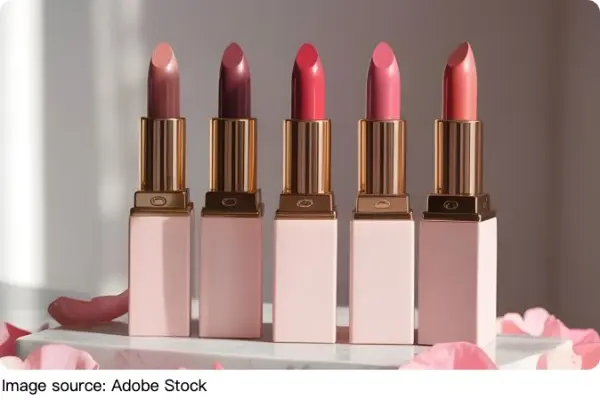
Even the perfect shade can look messy if the application isn't precise. For darker or brighter colors, always use a lip liner in a matching shade to define the edges and prevent the color from "bleeding" into fine lines. If you are using a neutral shade, a liner that is just one shade darker than your natural lip color can help create a more 3D, contoured effect.
Selecting the right lipstick is an empowering journey toward self-expression. It is about understanding the harmony between your unique biology and the pigments in the tube. By focusing on your undertones, considering the depth of your skin, and choosing a texture that fits your comfort level, you move away from "trial and error" and toward a curated collection of shades that make you feel like the best version of yourself. Whether it's a fierce red for a meeting or a soft peach for a Sunday brunch, the right color is the ultimate finishing touch for any look.