Healthy Nail Guide

Mason O'Donnell
| 26-05-2026
 · Fashion team
We all love the look of a fresh, glossy manicure.
Whether it is a classic crimson or a modern holographic shimmer, painted nails are the ultimate accessory that pulls an outfit together.
But have you ever noticed your natural nails looking yellow, brittle, or thin after removing a dark shade? This leads to the million-dollar question: is the polish actually the villain, or is it the way we handle the process? While modern formulas are safer than ever, the relationship between your nails and that colorful bottle is more complex than a simple "yes" or "no."
The Chemistry of the Coat
To understand the impact, we have to look at what is inside the bottle. Traditional lacquers are designed to be durable, which requires a blend of resins, plasticizers, and solvents. In the past, many brands relied on a "Toxic Trio" of chemicals—specifically formaldehyde, toluene, and dibutyl phthalate (DBP). These substances are known to cause irritation, dryness, and even long-term structural weakness in the nail plate.
However, the beauty industry has shifted significantly toward "3-Free," "5-Free," and even "10-Free" formulas. These modern versions exclude the most aggressive chemicals, making them much gentler for frequent use. Even with safer ingredients, polish acts as an occlusive barrier. Because nails are porous, wearing heavy lacquer for weeks without a break can prevent natural oils from reaching the surface, eventually leading to dehydration and peeling.
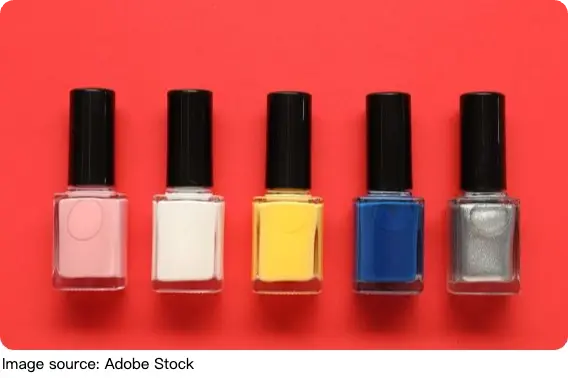
The Real Culprit: The Removal
Surprisingly, the liquid polish itself is rarely the primary cause of severe damage. The true harm often occurs during the removal phase. Acetone, the primary ingredient in most high-speed removers, is a powerful solvent that strips away not just the color, but also the natural lipids and moisture that keep your nails flexible.
Common Habits That Cause Damage:
1. Peeling Off Polish: When you pick at a chipped manicure, you aren't just removing the paint; you are ripping away the top layers of your nail cells, leaving them thin and sensitive.
2. Aggressive Buffing: Using heavy-grit files to smooth out the surface before painting can permanently weaken the structural integrity of the nail.
3. Over-Soaking: Leaving nails in pure acetone for long periods to remove gel or glitter can leave them as brittle as dried leaves.
4. Skipping Base Coats: Applying dark pigments directly to the nail leads to deep staining, giving the keratin a sickly yellow appearance.
5. Ignoring Cuticles: The cuticle is the sealant that protects the "root" of the nail; cutting or pushing them back too aggressively can lead to uneven growth.
The Gel and Acrylic Factor
While standard lacquer is relatively mild, gel and acrylic enhancements carry higher risks. Gels require UV or LED light to cure, and their removal involves extended soaking or filing. Acrylics involve a chemical reaction that creates a hard shell. If applied or removed by an untrained hand, these processes can leave the natural nail bed red and painfully thin.
The weight of these enhancements can also cause "mechanical stress" on the nail. If the artificial tip is too long or heavy, it can pull at the natural plate, causing microscopic tears. To keep your hands healthy, it is essential to allow for "breathing periods"—at least one week of bare nails for every three weeks of wearing gel or acrylics.
Nurturing Your Natural Strength
Maintaining beautiful hands is about more than just color; it is about nourishment. Think of your nails like a garden—they need the right environment to flourish. Massaging a high-quality oil into the base of the nail every evening can counteract the drying effects of polish and removers. Look for oils containing Vitamin E or jojoba, which mimic the body's natural sebum.
In addition to external care, hydration plays a massive role. Drinking plenty of water keeps the keratin layers supple. If you notice persistent ridges or white spots, it might be a signal to increase your intake of biotin-rich foods. By treating your hands with the same care you give your skin, you create a resilient canvas that can handle the occasional splash of color without losing its natural luster.
Sustainable Manicure Habits
You don't have to give up your favorite shades to have healthy hands. The secret lies in moderation and technique. Always use a high-quality base coat to create a protective barrier and finish with a top coat to prevent chipping, which reduces the frequency of removal. Opt for soy-based or non-acetone removers whenever possible; they take a little longer to work but are infinitely kinder to your skin and keratin.
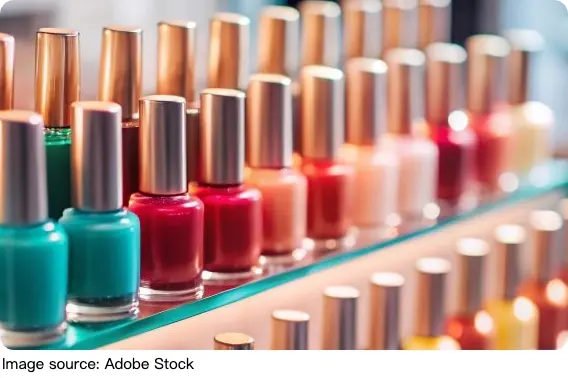
In conclusion, nail polish doesn't have to be a source of harm. By choosing clean formulas, removing them with care, and prioritizing hydration, you can enjoy the best of both worlds. Your nails are a reflection of your overall wellness, and with a bit of mindful maintenance, they can remain strong, flexible, and perfectly polished. Embrace the color, but never forget the health of the foundation beneath it.