Serum vs. Cream

Santosh Jha
| 21-04-2026
 · Fashion team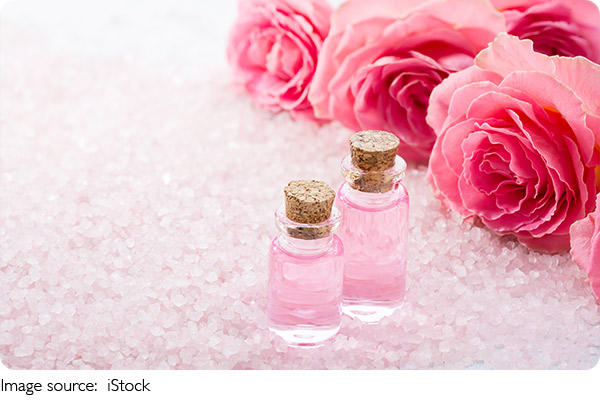
Walking down the skincare aisle can feel like decoding a secret language.
You see tiny glass vials labeled "serum" with high price tags and heavy jars labeled "cream" promising hydration. Should you use both?
Can one replace the other? While they might look similar once applied, these two products are the "dynamic duo" of skincare, each performing a completely different task for your complexion. Think of it like a smartphone: the serum is the powerful internal software solving specific problems, while the cream is the protective outer case that keeps everything safe and functioning.
The Deep-Dive Power of Serums
Serums are the heavy hitters of any routine. They are formulated with a high concentration of active ingredients and have a very small molecular structure. This microscopic size is the secret to their success; it allows the product to reach deep into the lower layers of the skin rather than just sitting on top. Whether you are dealing with dark spots, fine lines, or dullness, the serum is the vehicle that delivers the "medicine" exactly where it needs to go.
Because they are usually water-based or very light oils, serums absorb almost instantly. They don't contain the "heavy" occlusive ingredients like waxes or thick butters that you find in moisturizers. This is why a few drops are often enough to cover your entire neck and face. They are designed to target specific concerns with precision, making them the most personalized part of your daily regimen.
The Protective Shield of Creams
If the serum is about treatment, the cream is about protection and maintenance. Creams have a much larger molecular structure, meaning they are designed to stay primarily on the surface. Their main job is to act as a barrier, sealing in the moisture and the active ingredients from your serum while keeping environmental pollutants and dry air out.
Moisturizers contain essential lipids and emollients that smooth the skin's surface and prevent "Transepidermal Water Loss" (TEWL). Without a cream, the hydration provided by your serum would simply evaporate into the air within minutes. By applying a cream as your final step, you are effectively "locking the door," ensuring that your skin stays plump and soft throughout the day or night.
Key Differences at a Glance
Understanding the mechanical differences helps you apply them in the correct order for maximum efficiency.
Comparing the Two Formulas:
1. Texture and Consistency: Serums are thin, watery, or gel-like, whereas creams are thick, rich, and opaque.
2. Ingredient Concentration: Serums contain up to 70% active nutrients; creams usually contain about 5% to 10%, focusing more on moisture.
3. Primary Purpose: Serums repair and treat specific issues (like Vitamin C for brightness); creams hydrate and protect the surface.
4. Absorption Speed: Serums vanish into the skin in seconds; creams leave a thin, protective film that lasts for hours.
5. Application Order: Always apply the thinnest product first (serum) and the thickest product last (cream).
How to Layer Like a Professional
The golden rule of skincare is to apply products from "thinnest to thickest." After cleansing and toning, apply your serum while your skin is still slightly damp. This increases permeability, allowing the active molecules to slide into the deeper layers more easily. Wait about sixty seconds for the serum to fully settle.
Once your skin feels tacky but not wet, apply your cream. Use upward, circular motions to massage the cream into your surface. This not only seals in the serum but also stimulates blood flow to the surface, giving you a natural glow. If you skip the serum, you are missing the treatment; if you skip the cream, you are losing the hydration. Using them together ensures a holistic approach to skin health.
Choosing the Right Pair for Your Needs
Your choice of serum and cream should change based on the environment and your specific goals. In the morning, you might choose a lightweight serum with antioxidants and a cream with sun protection. At night, a richer serum with peptides paired with a thick, nourishing night cream can help the skin repair itself while you sleep. Always listen to your skin; if it feels tight, you might need a heavier cream. If it looks dull, a more potent serum is the answer.
In the end, the debate isn't about serum versus cream—it's about how they work together to create a healthy, resilient barrier. By understanding that serums are for deep-level repair and creams are for surface-level protection, you can build a routine that is both efficient and effective. Stop choosing between them and start layering them correctly to see the true potential of your skincare investment. Your complexion is a complex system, and giving it both the "software" and the "case" is the best way to ensure it stays radiant for years to come.