Anti-Aging Serum Ingredients

Elena Rossi
| 29-05-2026
 · Fashion team
Hi, Friends!
Your skincare shelf might already have a serum or two sitting on it, but do you actually know what makes an anti-aging serum worth your time and money?
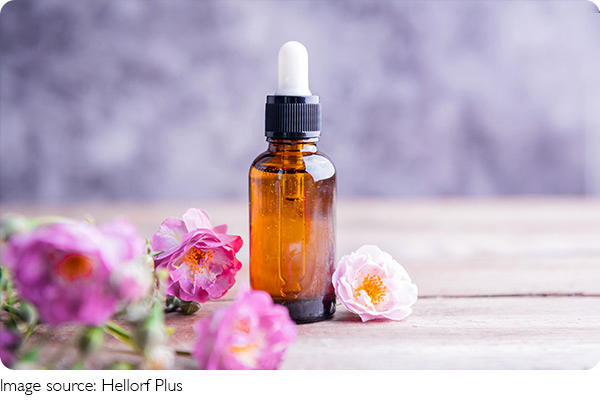
Not all products are created equal, and understanding what goes into that little bottle can completely change how you shop, apply, and benefit from them. Let's break down the science in a way that actually makes sense for your daily routine.
What Anti-Aging Serums Actually Do
Anti-aging serums are skincare products containing active ingredients that target the visible signs of aging, such as fine lines, wrinkles, and age spots, with the goal of improving the appearance of your skin. They are typically lightweight and designed to deliver concentrated actives deeper into the skin compared to regular moisturizers. These ingredients can stimulate collagen production, improve skin texture and tone, reduce the appearance of fine lines and wrinkles, and protect against further damage from environmental stressors. That is a lot of work for one small bottle to do, and the right formula absolutely delivers.
Anti-aging products can be effective as long as they are used correctly and contain clinically proven ingredients. Age-defying products will not erase your wrinkles overnight, but they do help maintain skin health and slow the signs of aging. Consistency is truly the name of the game here.
Retinoids: The Gold Standard
Common ingredients in anti-aging products include retinoids (vitamin A derivatives), peptides and growth factors, alpha and beta hydroxy acids, hyaluronic acid, niacinamide (vitamin B3), and antioxidants including vitamins C and E, green tea extract, and Coenzyme Q10. Among these, retinoids consistently rank as one of the most clinically supported options. They speed up cell turnover and encourage the skin to behave more like younger skin over time. As you get older, your skin stops producing as much collagen, which contributes to fine lines and wrinkles, a crepey appearance, and prominent pores. Retinoids help address exactly this decline by signaling skin cells to renew themselves more efficiently.
Vitamin C and Ferulic Acid: The Brightening Duo
Vitamin C is an antioxidant that helps protect the skin from damage caused by environmental stressors such as UV radiation and pollution. When applied topically in a serum, vitamin C can also help to stimulate collagen production, brighten the skin, and reduce the appearance of fine lines and wrinkles. It is one of the most beloved ingredients for people who want a more radiant, even complexion over time.
Ferulic acid may also enhance the effectiveness of other antioxidants, such as vitamin C and vitamin E, making it a popular ingredient in pro-aging serums. A potent combination of vitamin C, vitamin E, and ferulic acid makes certain serums a favorite among board-certified dermatologists. When these three work together, their antioxidant power is significantly amplified.
Hyaluronic Acid: Deep Hydration from Within
Hyaluronic acid retains moisture, but it declines naturally with age, leading to dryness and a lack of plumpness. That is why adding it back through a serum makes such a visible difference. Hyaluronic acid is a great moisturizer. It can affect the skin by making the cells plump up, make it more dewy and more hydrated and moist, and it can minimize the appearance of fine lines. It works for almost every skin type, making it one of the most versatile active ingredients on the market.
Hyaluronic acid is commonly used in anti-aging skincare products, including serums and creams, to restore hydration. HA-based dermal fillers are also injected to temporarily restore volume and smooth out wrinkles, making HA a key ingredient in cosmetic formulations.
Glycolic Acid: Smooth and Renew
Glycolic acid is a type of alpha-hydroxy acid (AHA) commonly used in skincare products for its ability to exfoliate the skin and improve its texture and tone. When applied topically, glycolic acid can help to dissolve dead skin cells and other debris on the surface of the skin, which can clog pores and contribute to a dull complexion. Regular use results in a visibly brighter and smoother surface, which is one reason it is such a staple in well-rounded anti-aging routines.
CoQ10 and Niacinamide: The Supporting Stars
CoQ10 acts as an anti-aging agent by reducing oxidative stress. It is a potent antioxidant that acts by neutralizing free radicals and reducing oxidative stress in skin cells, helping to prevent oxidative damage to cellular components like collagen and elastin, which are critical for maintaining skin structure and elasticity.
Niacinamide, or vitamin B3, is another multitasker worth knowing about. Niacinamide is present in many formulas to target post-inflammatory hyperpigmentation and dyspigmentation. It also helps regulate oil production and strengthen the skin's barrier, making it especially useful for those dealing with uneven tone alongside aging concerns.
Sun Protection Still Comes First
"The single most important step you can add to any skincare routine is your sunscreen." It is "the most powerful tool we have to slow down premature aging, protect against collagen breakdown and reduce the risk of skin cancer." Sun exposure speeds up the aging process. The sun creates free radical damage, which decreases the skin's self-repair mechanisms, causing fine lines and hyperpigmentation. A great serum works best when your skin is also shielded from the biggest aging accelerator out there.
Understanding what goes into your anti-aging serum helps you make smarter, more informed choices for your skin. From vitamin C and retinoids to hyaluronic acid and CoQ10, each ingredient plays a distinct and meaningful role. The key is finding a serum that combines the right actives for your specific skin concerns, and then using it consistently. Give your skin the attention it deserves, Lykkers, and the results will speak for themselves!