Timeless Hair Trends
Naveen Kumar
| 05-12-2025
 · Fashion team
Hairstyles are more than strands of hair arranged in a particular way—they reflect culture, social movements, and personal identity.
Looking back through the decades, each era tells its own story through the hair trends that defined it.
From polished vintage curls to the bold experiments of modern times, hairstyles not only shaped how people looked, but also how they felt about themselves and the world around them.
The 1920s: The Age of the Bob
The 1920s marked a dramatic departure from traditional long hair. Women embraced shorter cuts, most famously the bob, as a symbol of independence and a break from restrictive norms. Paired with sleek finger waves or a blunt fringe, the bob became synonymous with modernity. For men, neat side-parted styles dominated, reflecting a polished and streamlined aesthetic. This was an era when hair became a tool of rebellion and newfound freedom.
The 1930s: Soft Glamour
The 1930s saw a shift back to elegance, with styles that emphasized softness and sophistication. Waves became looser and more sculpted, often worn shoulder-length with a side part. Hollywood actresses like Jean Harlow popularized the glossy platinum blonde look, making glamour accessible beyond the screen. Men continued with clean, well-groomed cuts, often using pomade for shine and structure. Hairstyles of this decade leaned toward refinement and luxury.
The 1940s: Victory Rolls and Practicality
During the 1940s, hairstyles balanced practicality with style. Women wore their hair in structured waves or curls, often pinned into "victory rolls" that framed the head. This style wasn't just fashionable; it was practical, keeping hair neat while women worked long hours in new roles. Men favored short, neat cuts that required little maintenance. Overall, hairstyles reflected resilience, resourcefulness, and the ability to stay polished despite challenging times.
The 1950s: Polished and Perfect
The post-war years brought a return to highly styled hair. Women embraced full-bodied curls, short fringes, and perfectly groomed waves. The ponytail became a casual favorite, while structured updos dominated formal occasions. For men, the "greaser" look—slicked back with shine—gained popularity, influenced by cultural icons like Elvis Presley. This decade was all about perfection, with every strand seemingly in place.
The 1960s: Experimentation and Youth Culture
The 1960s broke away from polished perfection, ushering in bold experimentation. Women adopted geometric bobs, pioneered by stylists like Vidal Sassoon, along with high-volume bouffants and beehives. These looks reflected a sense of rebellion, fun, and youth-driven culture. Men began to grow their hair longer, influenced by the rise of rock music and counterculture movements. This was a decade of bold statements, where hairstyles expressed individuality more than conformity.
The 1970s: Freedom and Natural Flow
The 1970s championed natural texture and flow. Long, center-parted styles became iconic, often worn straight and sleek or loose and wavy. Layers and feathered cuts, like the famous "Farrah Fawcett" look, symbolized a carefree and liberated spirit. Men also embraced longer hairstyles, often with shaggy layers or natural curls. This era prioritized freedom of expression, with hair embodying both simplicity and drama.
The 1980s: Bigger is Better
If one word defined the 1980s, it was volume. From teased curls to dramatic perms, hair became bigger, louder, and bolder. Bright colors, crimped textures, and heavy styling products created dramatic, standout looks. Men experimented too, with mullets, spiky styles, and longer layered cuts. The 1980s represented excess and unapologetic confidence, with hair being a direct reflection of personality and ambition.
The 1990s: Minimalist Cool
After the extravagance of the 1980s, the 1990s embraced minimalism. Sleek, straight hair gained popularity, often parted down the middle. Grunge culture influenced laid-back, effortless styles, such as unkempt layers and natural waves. Men leaned toward simple cuts like short crops or longer, messy styles. This decade was about understated coolness, with hair reflecting the rise of casual fashion and a more relaxed lifestyle.
The 2000s: Straighteners and Pop Influence
Flat irons dominated the early 2000s, giving rise to poker-straight hairstyles. Sleek and polished looks were everywhere, often paired with chunky highlights. Later in the decade, beach waves and layered cuts brought more texture back into the picture. Men gravitated toward spiked hair with gel or shaggy "emo" cuts influenced by alternative music. This was an era when pop culture and celebrity trends dictated much of mainstream styling.
The 2010s to Today: Diversity and Individualism
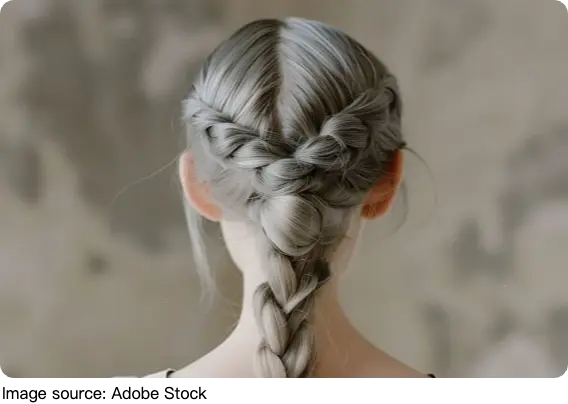
In recent years, there's been no single dominating hairstyle. Instead, diversity and personal expression have taken center stage. Natural textures are celebrated, from curls to coils to waves. Short pixies, blunt bobs, and long flowing layers all coexist, while men experiment with fades, textured crops, and longer styles. Modern trends highlight individuality, with people encouraged to embrace what suits them best rather than chasing one universal ideal.
Conclusion: Hair as a Cultural Mirror
Looking back, hairstyles are more than beauty trends—they are cultural mirrors. Each decade reflected the values, challenges, and desires of its time. From the disciplined curls of the 1950s to the free-flowing waves of the 1970s and the eclectic mix of today, hairstyles continue to evolve alongside society. What remains constant is their power to tell stories, express individuality, and mark moments in history. Choosing a hairstyle, then, is not just a personal choice—it's a way of connecting with a broader cultural legacy.