Makeup Sponge

Arjun
| 13-01-2026
 · Fashion team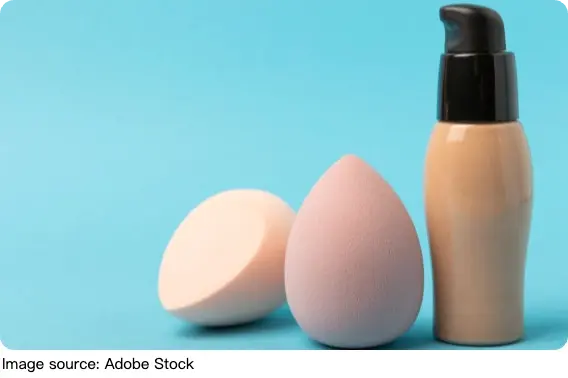
Ever notice how the same foundation can look completely different depending on how you apply it?
That's the magic of a makeup sponge. These small tools can transform your routine, making coverage smooth, even, and natural. But with so many shapes, textures, and materials, picking the right sponge can feel overwhelming.
Knowing what works for your skin and products turns a simple sponge into a powerful beauty tool.
Identify Your Primary Use
Makeup sponges aren't all-purpose tools. Their shape and material often determine what they do best.
Usage tips:
Foundation: use a rounded or teardrop-shaped sponge for even, full-coverage application.
Concealer: the pointed tip helps reach under the eyes or around the nose.
Cream blush or contour: angled or flat-edge sponges allow precise blending.
Actionable example: If you mainly apply liquid foundation, a classic teardrop sponge works well. Use the rounded base for large areas and the pointed tip for corners and under-eye blending.
Consider Material and Texture
The feel of the sponge affects how it blends products and interacts with your skin.
Material guide:
Latex-free foam: soft, hypoallergenic, and ideal for sensitive skin.
Dense sponges: provide fuller coverage and reduce product absorption.
Soft, porous sponges: lighter coverage and airbrushed finish.
Example: A dense, latex-free sponge absorbs less foundation, meaning more product stays on your skin for a polished look without waste.
Think About Wet vs. Dry Use
How you use a sponge can change the finish dramatically.
Application tips:
Damp sponge: gives dewy, blended finish and prevents streaks.
Dry sponge: builds fuller coverage and is better for powder-based products.
Combination: dampen for base products, dry for touch-ups or contouring.
Actionable step: Before applying foundation, run the sponge under water, squeeze out excess, and bounce it gently across your skin. This creates a smooth, natural finish.
Choose the Right Shape for Your Routine
Sponges come in many shapes, and each has unique advantages depending on your technique.
Shape guide:
Teardrop: versatile, ideal for all-over foundation and concealer.
Flat-edge or wedge: precise contouring and cream blush application.
Mini sponges: perfect for small areas like under the eyes or around the nose.
Example: Use the flat edge of an angled sponge to apply cream contour along the cheekbones, then blend with the rounded side for a seamless finish.
Consider Maintenance and Durability
A sponge's hygiene and lifespan are important for skin health and performance.
Care tips:
Wash weekly with gentle cleanser or sponge-specific soap.
Replace every 2–3 months or when texture changes.
Store in a breathable container to avoid bacteria buildup.
Actionable example: Clean your sponge after a week of daily use, let it air-dry in a ventilated space, and mark a calendar to replace it every three months for optimal hygiene.
Match Your Skill Level and Comfort
Some sponges are easier to handle than others, especially if you're new to blending techniques.
Skill guide:
Beginners: soft, rounded sponges for forgiving application.
Experienced users: multi-shaped sets for contouring, precision, and creative looks.
Experiment gradually: try one new shape or texture at a time to see what works best.
Example: A beginner can start with a classic teardrop sponge, then add mini sponges for detailed areas once they're comfortable with base application.
Choosing the right makeup sponge is more than picking a cute tool—it's about matching shape, texture, and method to your routine and products. When selected carefully, a sponge ensures your makeup goes on smoothly, blends flawlessly, and enhances your natural features effortlessly. Regular care and the right technique make it a small tool that delivers consistently big results.